WA wins $900M verdict against Albertsons for fueling opioid crisis
Published in Business News
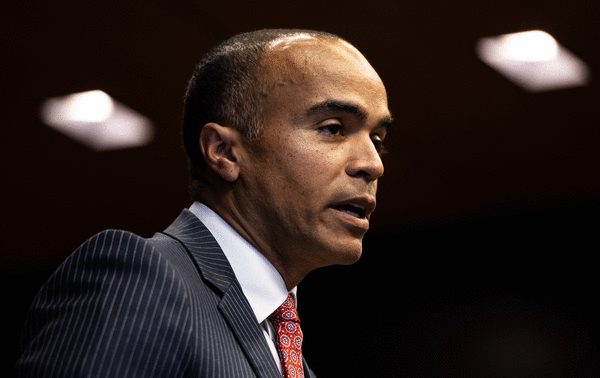
A King County, Washington, Superior Court judge ruled Thursday that Albertsons violated the law by dispensing a high volume of opioid prescriptions while ignoring signs that prescriptions were illegitimate or being abused.
The judge ordered Albertsons to pay $900 million — the largest judgment ever awarded in Washington, Attorney General Nick Brown said at a news conference in front of the King County Courthouse on Thursday morning.
“Albertsons’ corporate policies prioritized their own profits over safety,” Brown said.
In addition to its branded stores, Albertsons owns Safeway and Haggen in Washington state.
Pharmacists have a responsibility under state and federal law to look into suspicious prescriptions and report them if they are seemingly illegitimate or being misused, Brown said. But Albertsons “discouraged” its pharmacists from doing so, he said.
According to the lawsuit, Albertson’s policies around suspicious prescriptions were vague, stating pharmacists “may” investigate red flags instead of “must.” In some cases, the lawsuit said, Albertsons advised pharmacists to fill prescriptions to known “pill mills” (places that prescribe opioids without a legitimate medical reason) even though competing pharmacy chains had blocked them.
Additionally, Albertsons directly tied staffing allocations and bonuses to the number of prescriptions filled and dispensed at pharmacy locations, according to the lawsuit.
In her judgment, Judge Janet Helson said Albertsons disregarded its legal obligations, “instead focusing solely on its own profits, putting consumers and the public at risk.”
“That was immoral, unethical, and unscrupulous.”
In a statement, an Albertsons spokesperson said the company is disappointed by the court’s ruling and “respectfully disagrees” with its conclusions.
“We are reviewing the decision closely and will evaluate all available options, including appeal,” the spokesperson said. “We are proud of our pharmacists and their dedication to the patients and communities they serve, and we will continue to support our customers and communities across Washington through responsible pharmacy operations.”
The lawsuit, filed in 2022 by then-Attorney General Bob Ferguson, brought public nuisance claims and accused Albertsons, Kroger and Rite Aid of violating the Consumer Protection Act.
The state claimed that the pharmacies overdistributed opioids that contributed to thousands of overdose deaths in Washington and ignored “red flags” that prescriptions may not be legitimate, the state argued.
Kroger and Rite Aid were both dropped from the case several years ago. Kroger agreed to settle with the state for $47.5 million in 2024. Rite Aid filed for bankruptcy in 2023, so the case was stayed against it, according to the attorney general’s office.
The state’s case against Albertsons has dragged on for years.
Albertsons has argued that pharmacies are simply filling doctor-written orders and physicians hold the sole responsibility for prescribing medications.
However, more than 100 lawsuits nationwide have accused Albertsons of fueling the opioid crisis.
Albertsons announced a $774 million national opioid settlement in April to settle almost all of those lawsuits. But the state of Washington chose to keep litigating its case rather than take a slice.
“We thought the liability and the accountability that we needed to achieve against Albertsons was greater than the efforts we were seeing elsewhere,” Brown said on Thursday. “And to have a $900 million verdict that we proved before the judge, I think that, really, is confirmation of the approach.”
Between 2006 and 2022, Albertsons dispensed more than 641 million opioid pills in Washington. A majority of those prescriptions had “red flags” that weren’t appropriately investigated and resolved, according to the state’s lawsuit, Brown pointed out at Thursday’s news conference.
Red flags could include multiple prescriptions to the same patient with the same doctor, multiple prescriptions by the same patient with different doctors, prescriptions of unusual size and frequency and prescriptions paired with other often abused drugs.
In their opening statements in July, the state’s attorneys claimed that there were instances in Washington where customers appeared to receive hundreds, if not thousands, of pills in a given month. In May 2010, one Albertsons pharmacy in Kent dispensed over 5,000 opioid pills to one customer who returned about 10 times, the attorneys said.
They argued that pharmacists should have investigated and resolved such red flags before agreeing to dispense the medication. Pharmacists should have refused to dispense suspicious prescriptions and reported them to the federal Drug Enforcement Administration, the attorneys said.
Brown said in the news conference Washington state is still struggling with an epidemic of opioid addiction that pharmacies contributed to.
More than 26,000 people in Washington have died from the opioid crisis since 1999. More than a quarter of those deaths occurred in the last three years, according to state data.
The AG’s office has recovered $2.17 billion in funding through legal settlements and judgments to expand treatment and prevention resources across the state.
“We have ongoing work that we need to do to hold people accountable,” Brown said.
The timeline by which the state can receive the money from Albertsons is still unclear, Brown said at Thursday’s news conference.
The $900 million is broken up into two separate remedies. The judge ordered Albertsons to pay $100 million in civil penalties for violating Washington's Consumer Protection Act and $800 million to the state for Public Nuisance Abatement.
The $800 million will go into a court-supervised trust, and the money can only be used for reducing harms caused by the opioid crisis. By the court order, this amount must be allocated toward drug addiction treatment, harm reduction, prevention resources and administrative oversight programs to ensure the money is being used properly.
“With this action, Washington… seeks recovery to abate this crisis and provide the state with the tools necessary to recover from this decades-long tragedy,” Judge Helson wrote in her judgment.
Washington state filed a separate case against Albertsons in April for allegedly violating the Consumer Protection Act. A trial date for that case is set for May 2027.
The state claims that the grocery chain artificially increases the price of “buy one, get one free” items, only to lower the prices within 30 days after the deal ends.
©2026 The Seattle Times. Visit seattletimes.com. Distributed by Tribune Content Agency, LLC.







Comments