Is CBD Next On The Fed’s Hit List
Published in Cannabis Daily
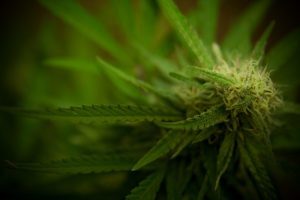
Is CBD next on the fed’s hit list amid slow cannabis reform, hemp restrictions, and rising regulatory pressure? For more than a decade, cannabis policy in the United States has moved at a glacial pace. Despite widespread public support, state-level legalization, and the emergence of a multibillion-dollar industry, federal reform has remained slow, fragmented, and often contradictory. That pattern has now raised a new and uncomfortable question across the wellness, agriculture, and retail sectors: Is CBD next on the fed’s hit list? The story begins with cannabis itself. While a majority of states have legalized medical or adult-use marijuana, federal law continues to classify cannabis as a Schedule I substance. Efforts to reschedule or deschedule cannabis have been announced, delayed, studied, and revisited, creating regulatory uncertainty touching everything from banking and research to interstate commerce. This slow walking of cannabis reform from both the current and past president has rippled outward, ensnaring industries once thought to be safely separated from marijuana. Hemp was supposed to be different. Federally legalized in the 2018 Farm Bill, hemp was championed as an agricultural and economic opportunity, particularly for struggling rural communities. No one played a more visible role in hemp’s return than Senator Mitch McConnell of Kentucky, who made the crop a centerpiece of his push to revive farm economies in deeply red regions of the state. For Kentucky farmers, hemp was not a culture-war issue but a pragmatic replacement for declining tobacco revenues and shrinking commodity margins.
Kentucky quickly became one of the nation’s leading hemp producers, investing in processing facilities, research partnerships, and pilot programs tied to CBD extraction. The political history makes the current regulatory climate especially fraught. As lawmakers debate tightening hemp definitions and closing cannabinoid “loopholes,” the consequences would land not just on coastal wellness brands, but on farmers in conservative states that were encouraged to plant hemp under federal guidance. CBD now sits at the center of this tension. Initially promoted as a non-intoxicating compound with potential wellness applications, CBD products flooded the market in everything from oils and capsules to beverages and pet treats. Yet the Food and Drug Administration has repeatedly declined to recognize CBD as a lawful dietary supplement, while also failing to propose a clear alternative regulatory pathway. The result has been a gray market defined by warning letters, uneven enforcement, and growing risk for compliant businesses. At the same time, proposed revisions to the Farm Bill have raised alarms across the hemp industry. Efforts to restrict intoxicating hemp-derived products may be politically popular, but critics warn that overly broad language could effectively ban or severely limit CBD itself. For farmers, processors, and retailers, this would represent a dramatic reversal of federal policy—one that undermines years of investment encouraged by Washington. What makes this moment particularly striking is the broader landscape of U.S. health policy. Regulators increasingly emphasize harm reduction and data-driven decision-making. Cannabis is widely acknowledged to be less harmful than many legal substances, and CBD has been studied for potential therapeutic uses. Yet instead of clarity, the industry faces contraction and prohibition by attrition. And throughout these shifts, one category remains largely untouched. Despite well-documented links between alcohol and chronic disease, addiction, and public safety risks, alcohol continues to enjoy stable federal treatment and powerful political insulation. While cannabis is slow-walked, hemp is narrowed, and CBD faces mounting pressure, alcohol remains fully normalized and aggressively marketed. As federal health policies evolve and cannabis reform continues to stall, the question is no longer whether CBD will be regulated, but whether it will be regulated out of existence—leaving behind farmers, including those in Kentucky’s heartland, who answered the call to grow a crop Washington once promised was safe.
The Fresh Toast is a daily lifestyle platform with a side of cannabis. For more information, visit www.thefreshtoast.com.





















Comments