Minneapolis looks to crack down on data centers
Published in News & Features
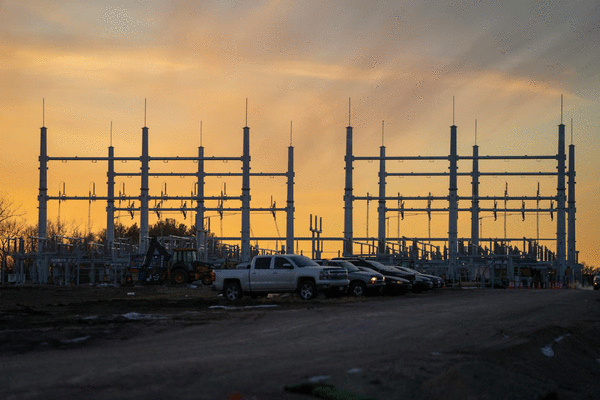
MINNEAPOLIS — A Minneapolis City Council committee new regulations on data centers Monday limiting their size, where they could be built and where their servers would have to be located.
The city is already home to eight data centers, but they’re loosely regulated, so unless the council and mayor can agree to regulations, additional data centers could be built in much of the city with few standards.
Data centers are being rapidly built nationwide to provide computing power that tech companies need for artificial intelligence. But their heavy demands on water and electricity have sparked backlash from lawmakers and the public, including during the election last week.
In March, the City Council passed a six-month moratorium on new data centers, and since then, resistance to data centers has grown, derailing a proposed data center in the Minnesota Star Tribune’s former printing plant.
About 50 people testified in October during a Planning Commission public hearing on proposed regulations, with a council committee deadlocking 6-6 on a total ban. And over 1,600 public comments have been submitted to the city regarding data center regulations, the vast majority opposing data centers.
Minnesota cities can restrict the size, location and noise generated by data centers, but cannot restrict the megawatt size, air emissions or heating and cooling systems.
Data centers aren’t specifically mentioned in Minneapolis’ zoning code; they’re allowed broadly via permit in 10 of the city’s 15 primary zoning districts, with no specific size limits or standards.
A council committee recommended approval Monday of an ordinance allowing data centers to be added to existing buildings in two downtown zoning districts, but limit their white space, which is the area housing servers and computing equipment, to 150,000 square feet. The full council votes on the measure Thursday.
The unanimous endorsement came after several other attempts at more strict regulations failed, including a total ban on data centers.
In the measure the council will vote on, data centers would not be allowed to be the only use of the property, and the servers would have to be at least 20 feet from exterior walls and 100 feet from residential housing.
The owner would have to disclose their projected water, electricity and backup generator usage, along with a plan to limit noise.
The Planning Commission recommended more strict regulations, limiting data centers to two downtown zones, restricting the size of rooms housing servers to 50,000 square feet and requiring City Council approval of every data center.
Council Member Aurin Chowdhury said Mayor Jacob Frey told her he would veto regulations that strict.
A Frey spokesperson said he supports the regulations passed Monday, and has said in the past that the city “should not close ourselves off to potential options that are good business.”
Some moderate Democrats on the council argued that allowing some data centers will help revive sagging downtown property values. More progressive Democrats and democratic socialists on the council are wary of data centers altogether.
Moderates say a moratorium would be a bad idea at a time when downtown still has a relatively high vacancy rate of 30% and property values have been in a free fall, shifting more of the property tax burden onto homeowners.
They point to the sale of Sleep Number’s downtown building, which houses an 180,000-square-foot data center and sold for $235 million, eight times its previously assessed value. That higher sale price means the new owner will pay $2 million in city taxes, versus $250,000, Council Member Elizabeth Shaffer has said.
Council Member Jason Chavez said data centers create few permanent jobs while consuming huge amounts of electricity and water and use noisy diesel generators and cooling equipment that pollute the air. He disagreed they would help rebuild the city’s tax base, citing a KSTP story saying the state has doled out over $1 billion in tax breaks to data centers in the past decade.
Jason Wittenberg, the city’s planning manager, has said the city isn’t concerned about the ability to serve data centers at this scale, given Minneapolis’ “tremendous” capacity to deliver water. The city can draw 100 million gallons of water per day from the Mississippi River and already uses about 55 million gallons daily, he said.
However, the Sleep Number data center has become one of the largest water users in the city, averaging 3 million gallons per month, he said last week.
The full City Council votes on the regulations Thursday. Chavez said he may bring more amendments to debate.
If the Council and mayor don’t come to an agreement on regulations before the moratorium expires Nov. 21, data centers would continue to be allowed in much of the city. However, the Council could also pass another moratorium, which Council Member Aisha Chughtai indicated she may propose.
_____
©2026 The Minnesota Star Tribune. Visit startribune.com. Distributed by Tribune Content Agency, LLC






Comments