US and Iran edge closer to deal with nuclear issue back in play
Published in News & Features
The U.S. and Iran are moving closer to a potential breakthrough in efforts to end the war, with Tehran showing a willingness to discuss issues related to its nuclear program that were previously off the table, according to a diplomat with knowledge of the talks.
Iran is studying proposals related to its atomic activities that were presented by chief mediator Qatar, according to the diplomat, who asked not to be identified discussing sensitive information. Any concession on that issue could lead to a significant step forward in negotiations, which have been stagnating since the collapse of an interim peace deal agreed in June.
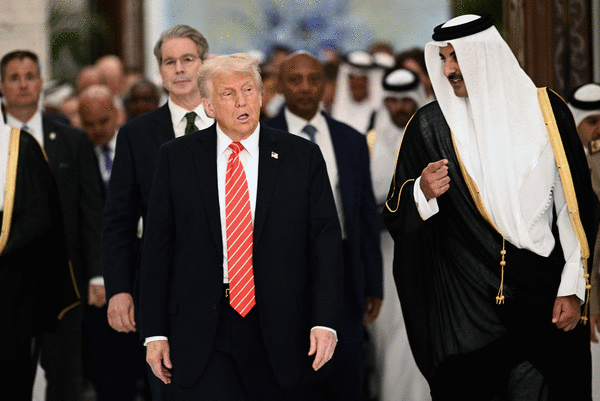
U.S. President Donald Trump recently spoke by phone with Qatar’s leader about efforts to de-escalate tensions, an indication of his desire to end a war that helped propel a Democratic sweep against his Republican party in the U.S. midterm elections this week.
Trump and Emir Sheikh Tamim Bin Hamad Al-Thani discussed Qatar’s efforts to resolve differences between the warring sides and secure a comprehensive agreement to end the conflict, the emir’s office said on Friday.
Trump and Israeli Prime Minister Benjamin Netanyahu started the war with attacks on Iran at the end of February, triggering a retaliation by the Islamic Republic against U.S. allies in the Middle East and triggering a surge in energy prices and global inflation. Talks to end the war have repeatedly broken down, with Iran demanding the U.S. lift a naval blockade against its ports, among other concessions.
Trump has long said the chief aim of the war was to prevent Iran from building a nuclear weapon, though little is known about the extent of the country’s atomic activities since the start of the conflict. While Iran has always said its nuclear work is strictly for non-military purposes, any commitment to allow more transparency could be enough to move the peace process forward.
Reuters and the New York Times previously reported on Iran’s willingness to compromise on the nuclear issue.
Qatari officials had been shuttling back and forth between Doha and Tehran to solidify a potential deal in the run up to the U.S. midterms on Tuesday, which saw the Democrats take control of Congress in a landslide win over Trump’s Republican party. One of the reasons for the reverse was the American public’s opposition to the war, in part due to its impact on gasoline prices.
In the aftermath of the vote, Trump said he had no immediate plans to launch fresh strikes on Iran, sending oil prices lower. Brent crude has plunged below $100 for the first time since September as investors wager that the Democratic sweep eases the prospect of a return to all-out fighting, which Trump had repeatedly threatened before the vote.
In other recent diplomatic moves, Iranian Foreign Minister Abbas Araghchi discussed “efforts aimed at establishing stability in the region” in separate phone calls with his Saudi and Qatari counterparts on Thursday, according to a statement on his official Telegram channel. He also spoke to his opposite numbers in the United Arab Emirates, Turkey, Kuwait, Cyprus and Jordan.
Mohsen Rezaee, Secretary of Iran’s Supreme National Security Council, met Russian President Vladimir Putin in Moscow, according to a statement on Russia’s presidential website. Rezaee delivered a message from Supreme Leader Mojtaba Khamenei addressed to Putin, Iran’s state-run IRIB reported, without giving more details.
©2026 Bloomberg L.P. Visit bloomberg.com. Distributed by Tribune Content Agency, LLC.





Comments